Lifestyle Treatments for Diabetes
Health

Lifestyle Treatments for Diabetes

Diabetes is a condition where the sugar levels are high in the blood. If you are diabetic, your doctor may prescribe medication, such as insulin, to help lower high blood sugar. Your doctor may also recommend several lifestyle treatments in combination with insulin (or alone if you don’t require insulin) to control your condition. The following lifestyle tips can help you manage type 2 diabetes effectively: 1. Diet Diet plays a vital role in controlling diabetes. A balanced diet will keep the blood glucose level at nominal levels. Choosing appropriate food is the key factor. For example, consumption of wheat, oatmeal, plenty of vegetables and fruits, beans, lentils, and brown rice will help in controlling blood sugar levels. 2. Low sugar diet for insulin-resistant diabetes Some people may not respond to both medications and injections as they stop responding to insulin. Insulin-resistant diabetics should have enough green leafy vegetables, broccoli, lean meat, proteins, citrus fruits, and berries. They should choose foods that are less in sugar and carbohydrates, as both have a high glycemic index. 3. Foods that have a low glycemic index Foods that are high in dietary fiber like millets, oats, whole cereals, nuts, broccoli, spinach, green leafy vegetables, and citrus fruits have a low glycemic index.
Read More
Stages and Treatment Options for Cervical Cancer
Health

Stages and Treatment Options for Cervical Cancer

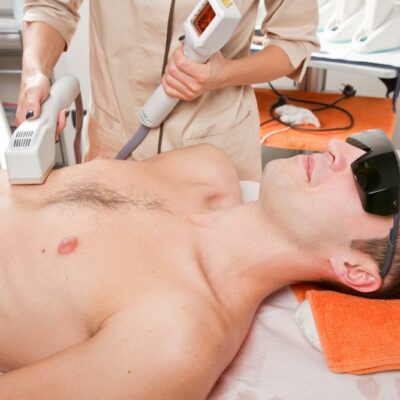
Cervical cancer is the abnormal growth of cells in the cervix. The cervix connects the lower part of the uterus to the vagina. It is usually caused by various strains of the Human Papillomavirus, or HPV, a sexually transmitted infection. In a small percentage of people the virus can cause cervical cells to become cancerous. The treatments cervical cancer patients undergo are decided based on the cancer stage. The various stages and their treatments include the following: 1. Carcinoma In Situ (Stage 0) Stage 0 is the first stage of cervical cancer. It is also called the pre-cancer stage. Here, the cancer cells are only in the surface layers of the cervix. The treatments cervical cancer patients can undergo include laser surgery, cryosurgery, or cold knife treatment. Cancer can return after treatment sometimes. In such a case, a hysterectomy is the only option, where the cervix and uterus are removed to prevent cancer from spreading. 2. Stage IA1 And Stage IA2 In these two stages, the cancer is found in the cervix. In Stage, IA1 the tumor is less than 3 millimeters deep. Whereas, in Stage IA2, it is between 3 and 4 millimeters deep. In both cases, the width is less than 7 millimeters.
Read More
Stages, Prognosis, and Treatment for Congestive Heart Failure
Health

Stages, Prognosis, and Treatment for Congestive Heart Failure

Congestive Heart Failure (CHF) is a disease that causes more than 50,000 deaths every year in the country. It is a chronic disease that worsens progressively and is a heart condition that makes it difficult for the organ to pump blood. A study has shown that nearly half of those suffering from the disease survive for more than 5 years after being diagnosed. There are no treatments for congestive heart failure that can completely cure the disease. However, treatments can manage the symptoms of the disease and improve the quality of life. The earlier the disease is detected, the better is the prognosis. The stage of the disease determines the treatment that needs to be given. Another factor that plays a huge role in the treatment methods for congestive heart failure is the age of the patient. The disease outlook is better for younger patients whose symptoms can be managed and their life extended. The prognosis for elderly patients is bleak, but in some cases, adequate treatment and care may help one control the condition. At a much later stage, palliative care is the only option for treatment for congestive heart failure. Here are some of its stages and the treatment for each stage of the condition.
Read More
Invasive and Non-Invasive Multiple Sclerosis Treatments
Health

Invasive and Non-Invasive Multiple Sclerosis Treatments

Multiple sclerosis (MS) has no cure, but certain treatments and procedures can help manage its symptoms. In this condition, the fatty material around the brain and spinal cord is attacked by the immune system, leading to problems with vision, balance, and muscle control among other issues. The treatments for multiple sclerosis can be invasive or non-invasive, given below are a few of these approaches to treat the condition: 1. Invasive approaches to MS Plasma exchange or Plasmapheresis This method involves removing the plasma that carries cells and proteins throughout the body and exchanging it with the plasma of another person or a donor. Multiple sclerosis is a type of autoimmune disorder. It is believed that the plasma of the patient might contain proteins that may attack its cells, so separating the plasma from the body and replacing it with different plasma has proved to be effective in treatments for multiple sclerosis. Deep brain stimulation It is a kind of surgical procedure where an electrode is placed in the deep brain areas like the thalamus and globus pallidus, with the wire of the electrode connected to a device placed under the skin on the chest. There are four metal contacts in the electrode which generate electric shocks or signals to the deep brain areas and disables them to prevent involuntary muscle movement.
Read More
What to Know About Muscular Dystrophy Treatments
Health

What to Know About Muscular Dystrophy Treatments

Muscular dystrophy is a group of diseases in which abnormal genes interfere with the production of proteins that are required to form healthy muscles. It causes progressive weakness and muscle mass loss. There is no definite cure for muscular dystrophy, but there has been a lot of progress in research for this condition. This research aims to improve the quality of life for the patients. Some of the common treatments for muscular dystrophy include the following methods: 1. Occupational and physical therapies Physical therapy is found to be effective for maintaining a flexible range of motion in patients with the condition. Since their joints become inflexible and immobile, such exercises can help delay the development of contractures. You can also try exercises for strengthening other muscles that are not yet affected to make up for the damaged muscles. This treatment is beneficial in the early stages of muscular dystrophy. Regular workouts will also maintain overall good health. However, if the patient is made to undergo very strenuous workouts, it may do more harm than good. Braces and customized wheelchairs can make the lives of patients with the disease easier. Also, it is necessary to have handicap-friendly workplaces and homes. 2.
Read More
Treatment Options for Pancreatic Cancer
Health

Treatment Options for Pancreatic Cancer

The pancreas is an organ located in the abdomen that sits behind the lower part of the stomach. This organ aids digestion by releasing enzymes and manages blood sugar by producing hormones. Pancreatic cancer begins in the tissues of the pancreas and is seldom detected in its early stages, when the disease is most curable. The treatments for pancreatic cancer, other than surgery and chemotherapy, include ablation, radiation therapy, and immunotherapy. The treatment options for pancreatic cancer include the following: 1. Ablation One of the treatments for pancreatic cancer is ablation, which is a non-surgical way of destroying the cancerous cells in the pancreas. This procedure is useful when cancer has spread to the liver and other organs. The common ablation treatments include: Cryoablation This treatment option for pancreatic cancer freezes cancer cells to kill them. A metal probe is inserted into the pancreas and guided to the cancer cells through ultrasound. Cold gases are delivered to freeze and destroy the cancer cells. It is used to treat large tumors of the pancreas. Radiofrequency Ablation A metal probe in the size of a needle is inserted into the pancreas. A high-frequency electric current is passed destroying the cancer cells by heating them.
Read More
Non-Surgical Methods to Treat Kidney Cancer
Health

Non-Surgical Methods to Treat Kidney Cancer

Kidney or renal cancer is a type of disease that triggers kidney cells to become cancerous, or malignant in nature, by growing and dividing abnormally until they form a tumor. The majority of all kidney cancers develop in the lining of the tubules (or tiny tubes of the kidney), forming a tumor known as a renal cell carcinoma. Apart from surgery, there are several other treatments for renal or kidney cancer that can be effective in treating this disease. This article discusses the non-surgical methods of treating renal cancer: 1. Radiofrequency Ablation This is a non-surgical procedure that involves the use of heat to destroy the tumor. This procedure is suitable for those who cannot have surgery for any reason. There is no incision needed and instead, a needle is inserted into the kidney. Once the needle is inserted, an electric current is passed to destroy the cancerous tissue. 2. Cryosurgery Cryosurgery is one of the treatments for renal/kidney cancer that, even though it is a surgery, does not require an incision. A metal probe is inserted by making a very small incision. The probe is inserted into the tumor. The tumor is frozen by the probe and the freezing leads to the death of the cancer cells.
Read More
Home Treatments for Sleep Apnea
Health

Home Treatments for Sleep Apnea

The conventional treatments for sleep apnea use various devices that can be uncomfortable to use over a prolonged period of time. The other commonly opted for treatment method is surgery, but surgery comes with its own fair share of risks. But in addition to these conventional treatment methods, home remedies as treatments for sleep apnea can also help in reducing problems caused by the condition. These treatments have no side effects and include lifestyle changes to help manage the problem. It is advisable to discuss them with the doctor before adopting them. 1. Weight loss One of the best home treatments for sleep apnea is weight loss. Excess weight and obesity cause pressure on the lungs, leading to breathing problems. It has been found that those who are obese are more likely to face problems caused by sleep apnea. Those who use CPAP devices for sleep apnea can reduce their dependence on the device if they reduce weight and maintain an ideal weight. A proper diet with less fatty foods and frequent exercise can help in weight loss. One of the main symptoms of sleep apnea is daytime sleepiness and tiredness. Weight loss can also help in getting relief from these symptoms.
Read More
All About Amyloidosis and its Types
Health

All About Amyloidosis and its Types

The build-up of amyloid, a protein in the bone marrow, can be deposited in any tissue or organs in the body. This affects their basic functions and is called amyloidosis. A rare disorder, amyloidosis can cause serious health issues and lead to organ failure. The causes and types of amyloidosis are closely linked with other conditions. Moreover, it can affect anyone, but family history, age, kidney dialysis, and chronic diseases play a huge role. It is difficult to diagnose amyloidosis as the symptoms are similar to other diseases. Tests to confirm a diagnosis might include biopsy, MRI, blood and urine tests, and endoscopy. Maintaining a healthy and balanced lifestyle, consuming healthy foods, and exercising can help prevent the symptoms of amyloidosis. Although there is no cure for amyloidosis, it can be prevented from progressing. 1. Symptoms of amyloidosis can range from mild to severe and include: An irregular heartbeat Diarrhea or constipation sometimes with blood Numbness or tingling in the hands and feet Shortness of breath Weight issues An enlarged tongue Anemia Fatigue and weakness 2. Causes, treatments, and types of amyloidosis AL amyloidosis, also known as primary amyloidosis or immunoglobulin light-chain amyloidosis, is usually linked with multiple myeloma, a type of blood cancer.
Read More
Types and Treatments for Breast Cancer
Health

Types and Treatments for Breast Cancer

Breast cancer is caused due to cell mutation in the breast cells. Usually, different types of breast cancer attack the lobules, the milk-producing glands, or ducts, a tube that carries the milk to the nipples. Sometimes, cancer may also affect fatty tissue or fibrous connective tissue within your breast. In the final stages, cancer cells start affecting the healthy breast tissue and get inside the lymph nodes, under the arms. The lymph nodes are the primary carriers of cancer to the rest of the body. 1. Breast cancer types Breast cancer can be divided into two types: invasive, noninvasive or in situ. While invasive cancer spreads from the breast ducts or glands to other parts of the breast, noninvasive cancer does not spread far from the original affected tissue. The different types of breast cancer include: DCIS or ductal carcinoma in situ is a type of cancer that remains confined to the ducts in the breast. It does not reach the surrounding breast tissue. LCIS or lobular carcinoma in situ proliferates in the milk-producing glands of the breast. Like DCIS, the cancer cells do not affect the surrounding tissues. Invasive ductal carcinoma starts affecting the milk ducts and then proliferates to the surrounding tissue in the breast.
Read More